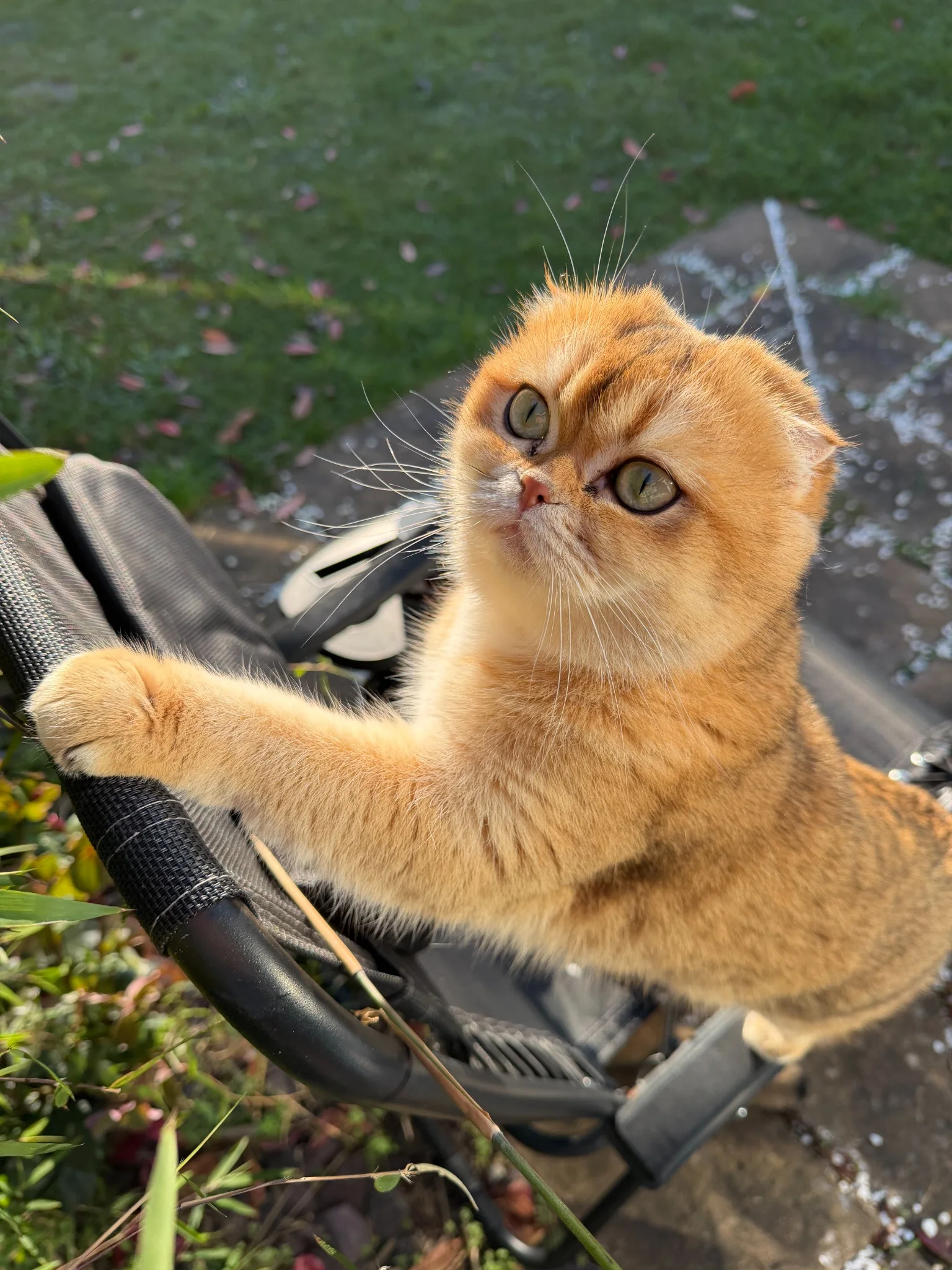

Health before fashion.
Evidence before slogans.
Champion ancestry is part of the story. Responsible pairing, health information, temperament, veterinary care and welfare are the part that matters every day.
“Pure blood” is not a medical guarantee.
We value carefully documented pedigrees because traceability helps responsible breeders understand what they are working with. We do not use pedigree or titles as a promise that disease is impossible.
Our aim is better-informed breeding decisions and reduced avoidable risk — not marketing certainty.
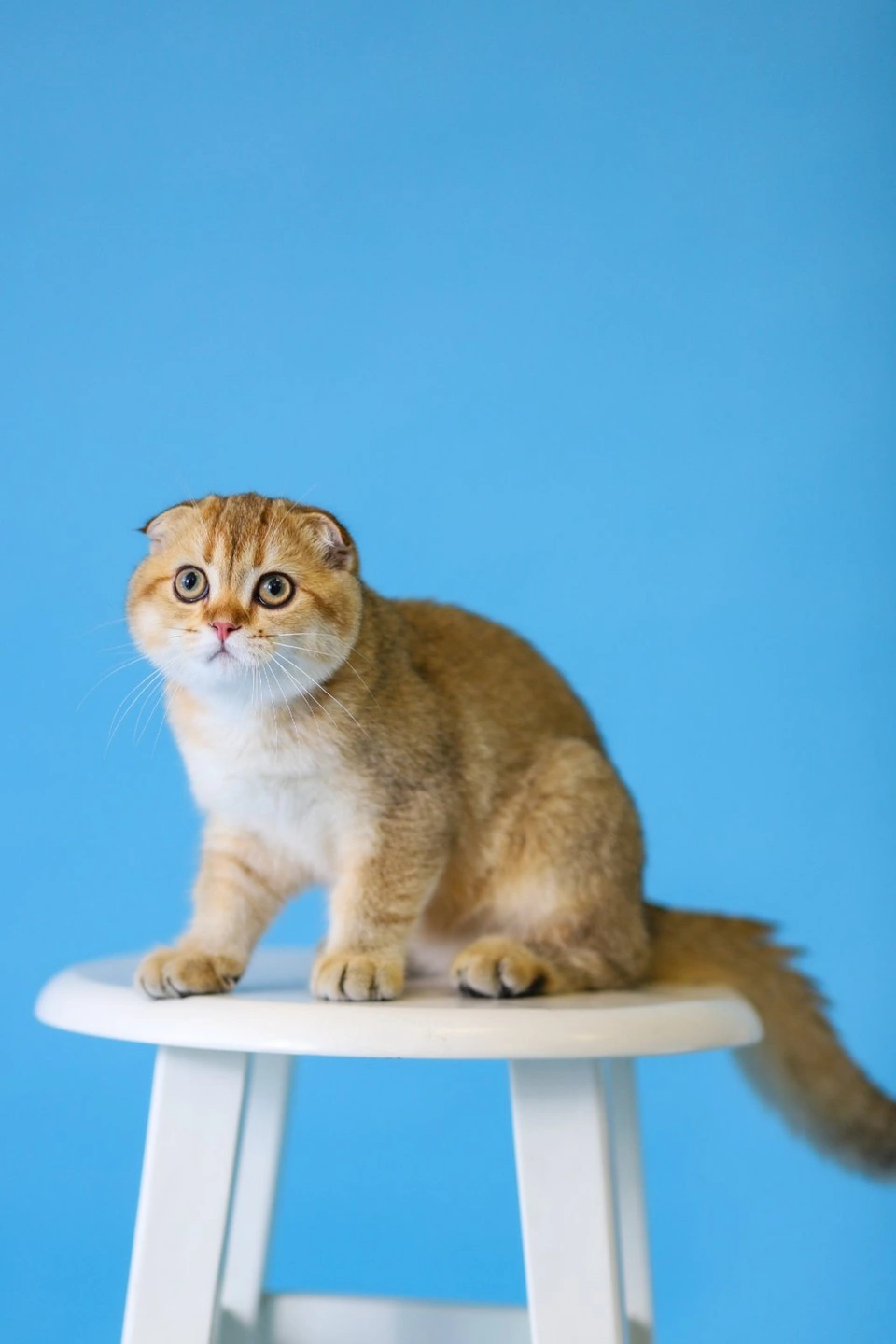
Traceable lineage
Selected pedigrees and champion bloodlines help us understand ancestry and make better-informed decisions. A pedigree is not a guarantee of health.

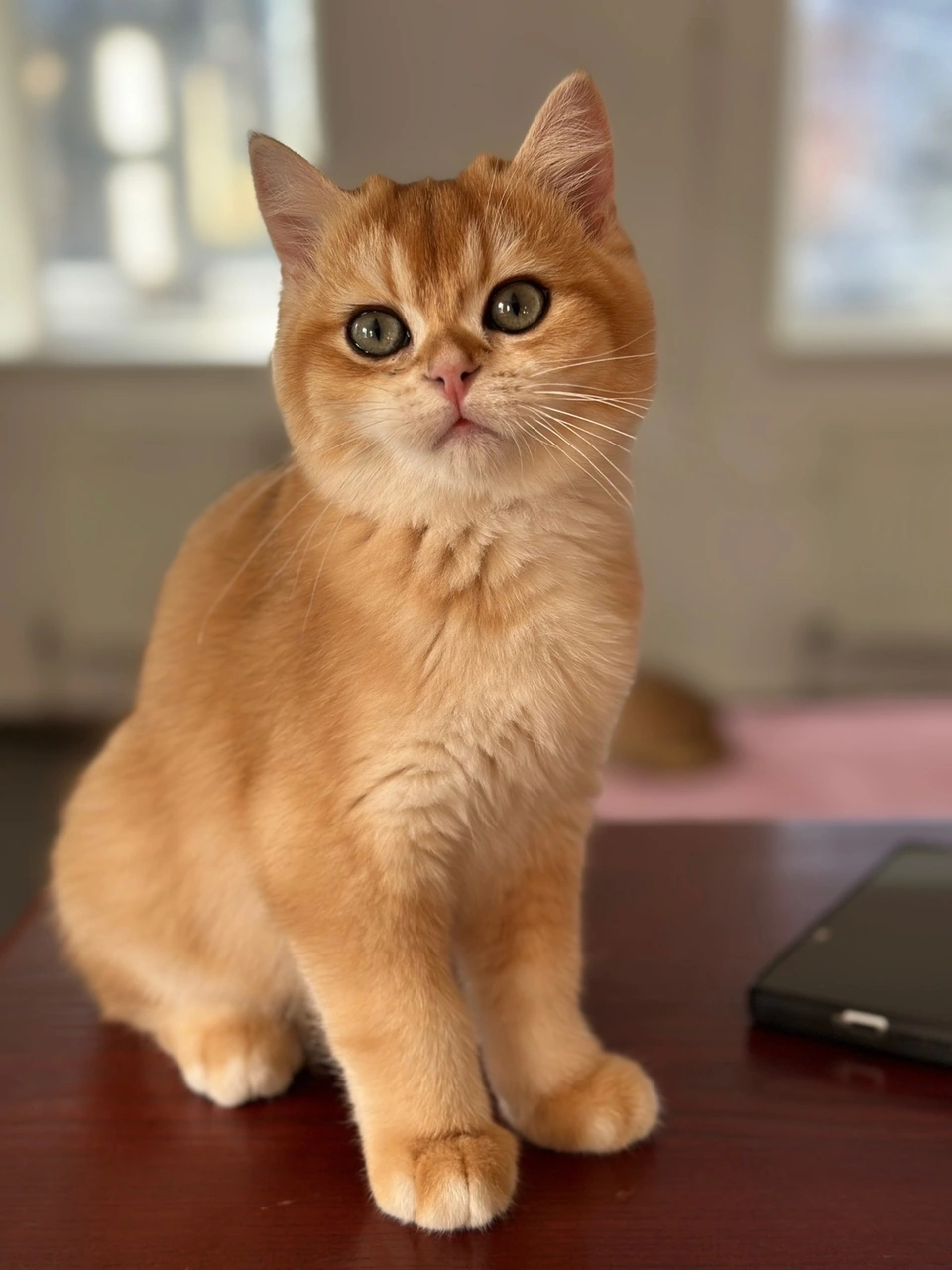
Fold × Straight only
We do not breed Fold × Fold. We place welfare before the visual trait that makes the breed famous.
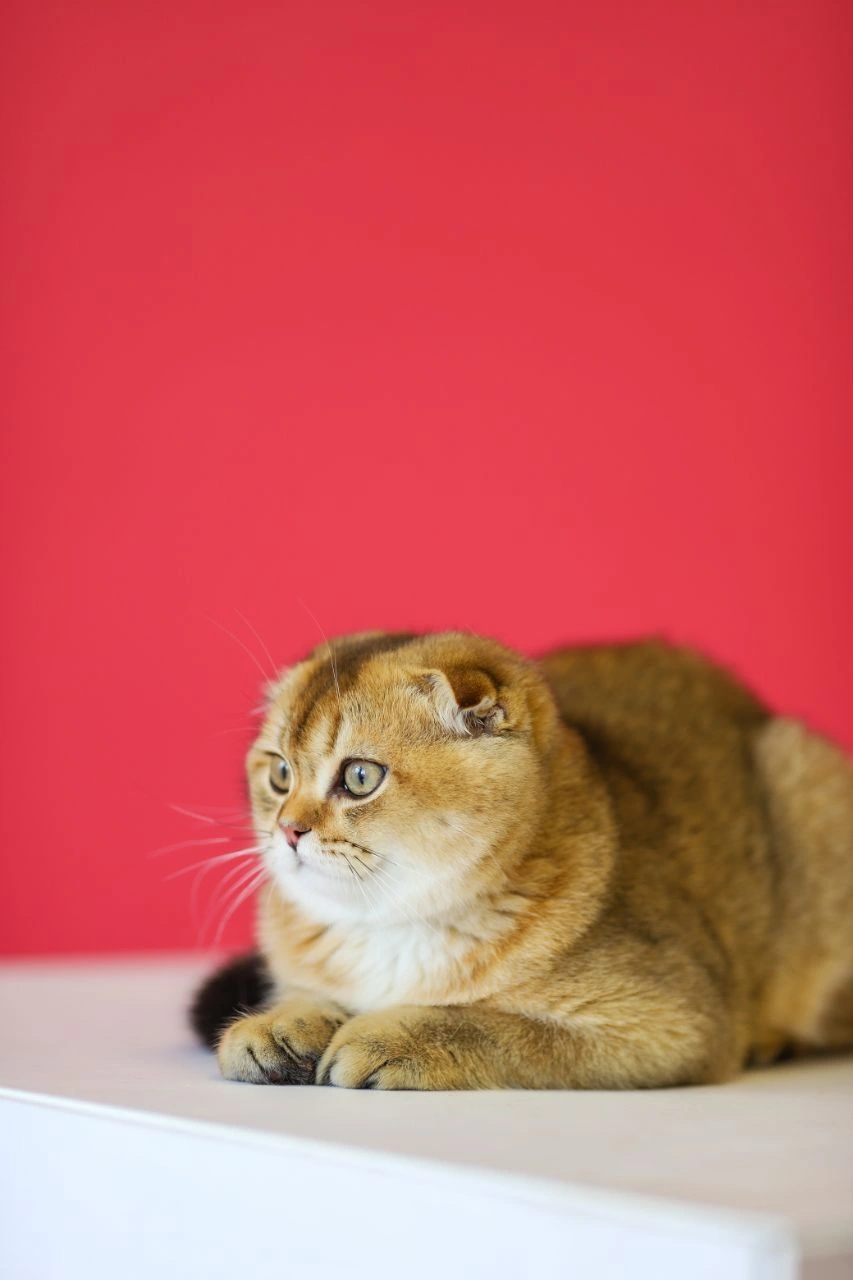
Veterinary care
Health monitoring, appropriate veterinary attention and responsible record keeping are part of everyday breeding practice.
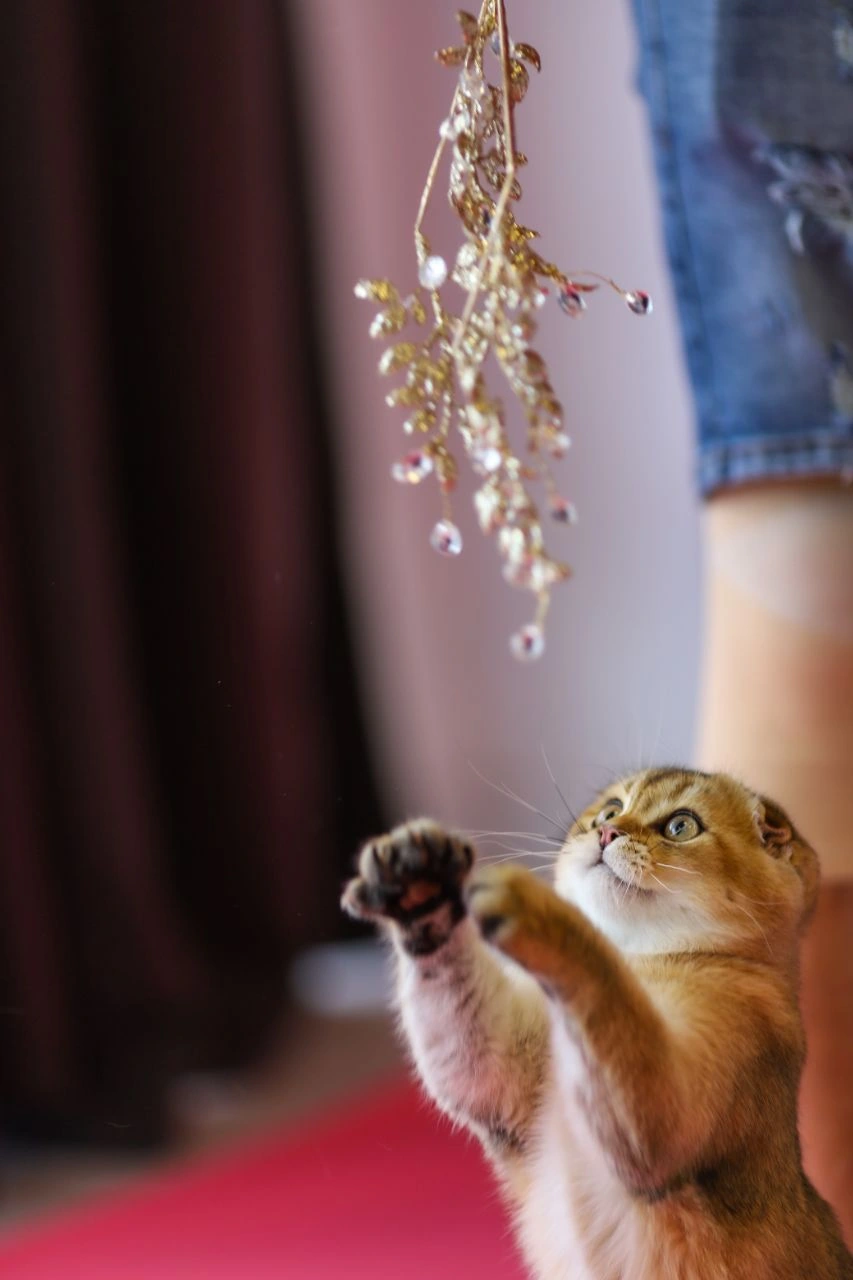
Temperament
A beautiful cat also needs the confidence and social skills to live happily with people.
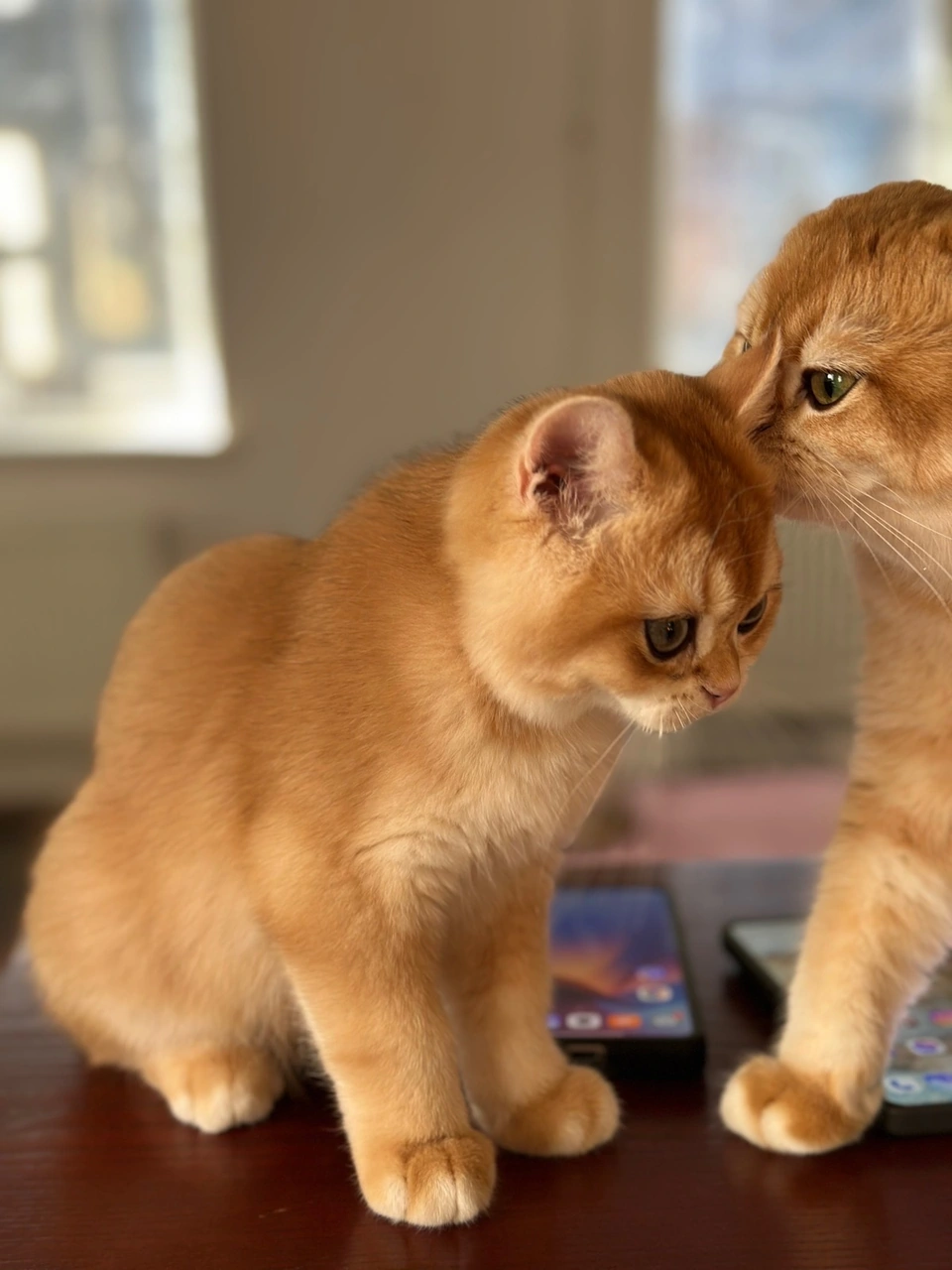
Home socialisation
Our kittens grow within family life, learning normal sounds, routines, handling and play.
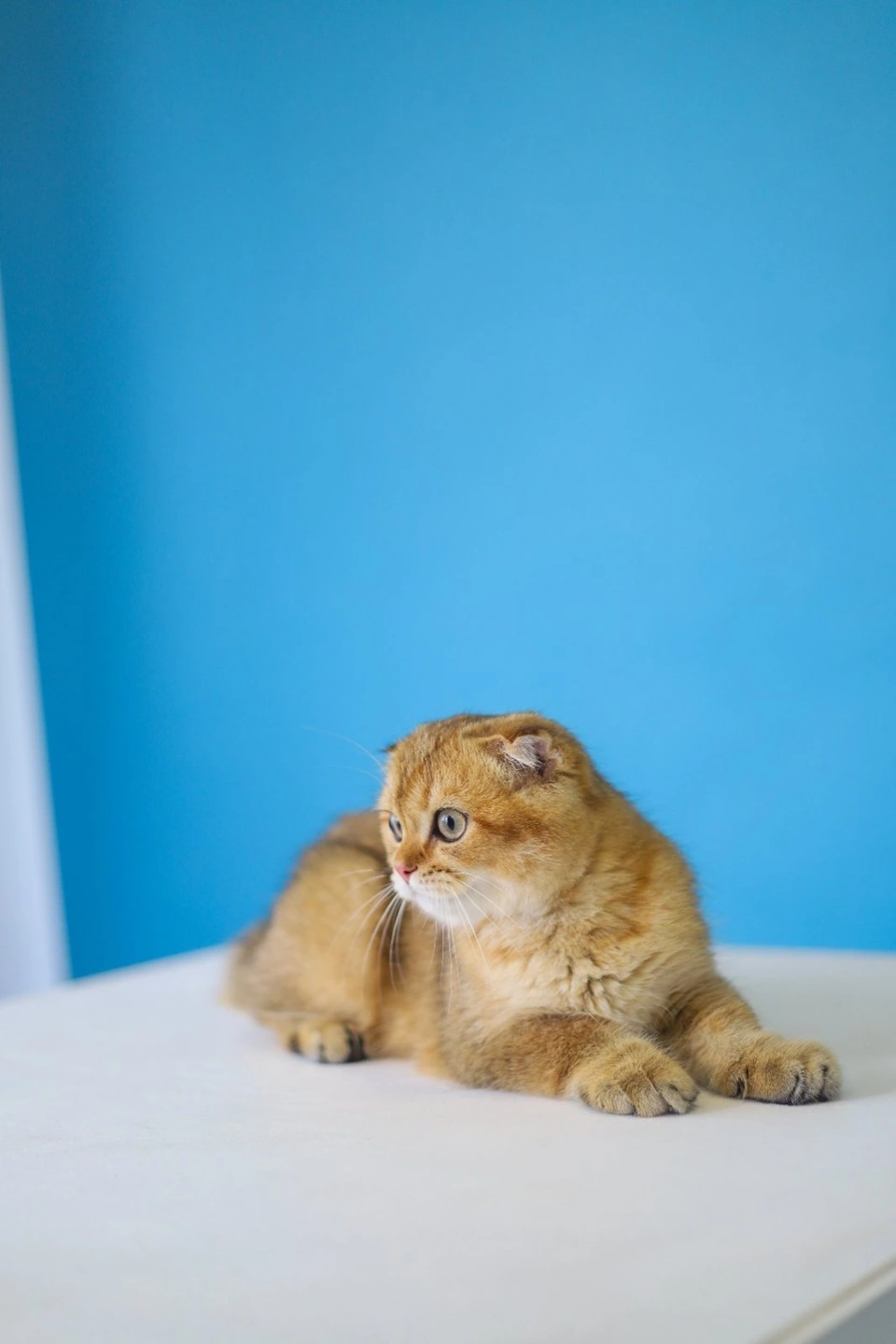
Nutrition & routine
Food, environment, rest, hygiene and everyday consistency all contribute to a kitten's development.
Scottish Fold health and the TRPV4 variant
The folded ears of a Scottish Fold are caused by a TRPV4 variant that also affects cartilage and bone. We never pair Fold with Fold. A Fold × Straight pairing avoids kittens inheriting two copies only when the Straight parent is confirmed negative for the variant. Kittens with one copy may still develop osteochondrodysplasia; the age and severity of symptoms vary. Regular veterinary monitoring is important. Read the UC Davis Veterinary Genetics Laboratory explanation.
How our waiting list works →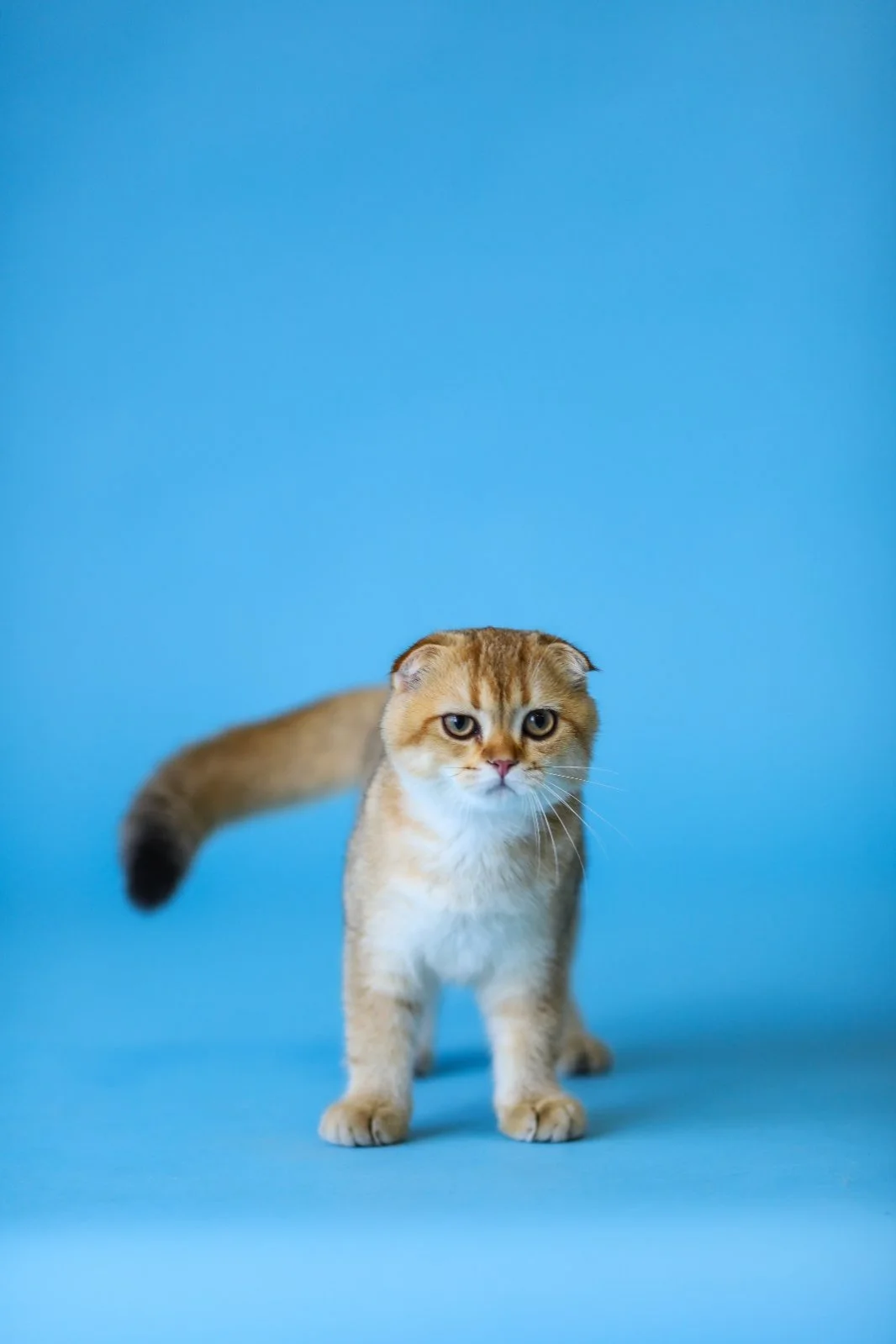
A good home is part of good breeding.
The process continues after birth: learning about future families is part of protecting the kitten.